
Table of Contents
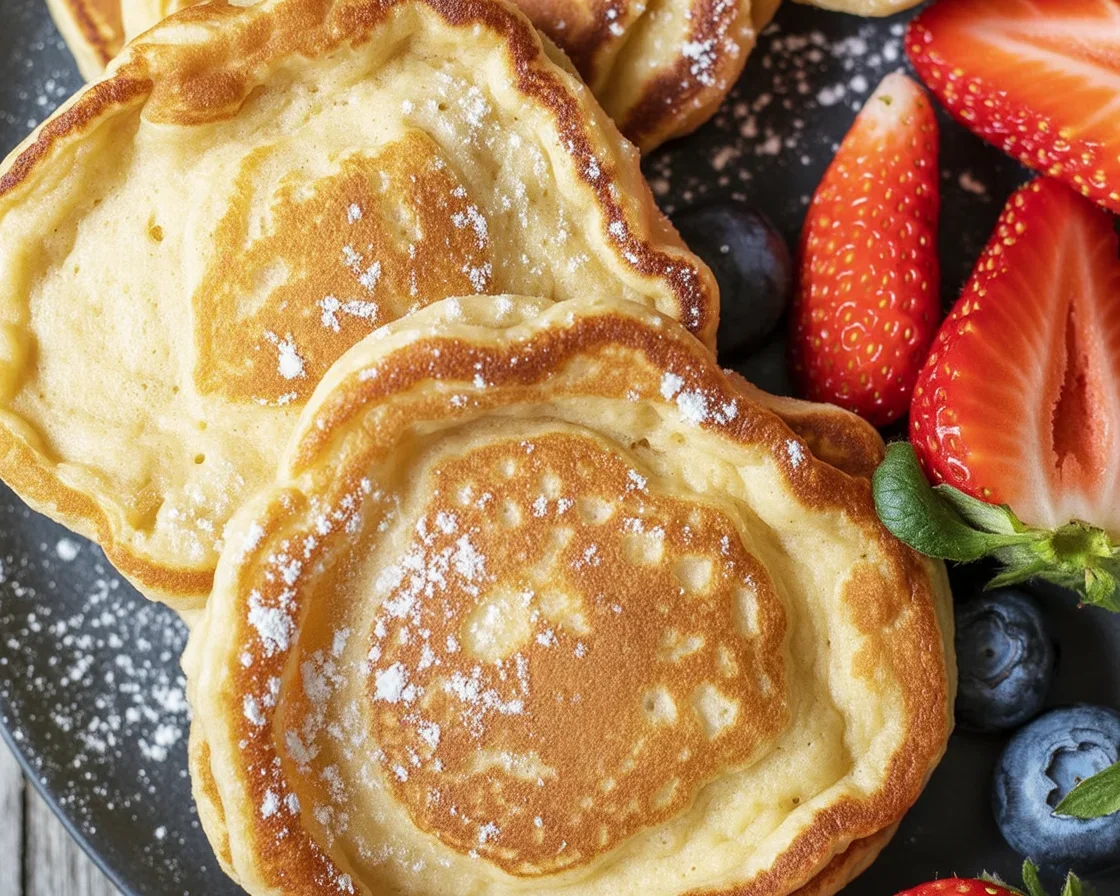
Cottage cheese pancakes are my favorite solution when I want something cozy, quick, and a little extra nourishing in the morning. I grew up on weekend pancakes, but as an adult I wanted a protein boost and a batter that never tastes flat. That is where these come in. They are light on the inside, gently crisp at the edges, and they cook fast. If your mornings are busy or you are feeding a mix of kids and adults, this recipe keeps everyone happy without a long shopping list. Let me show you how I make them taste amazing every time. 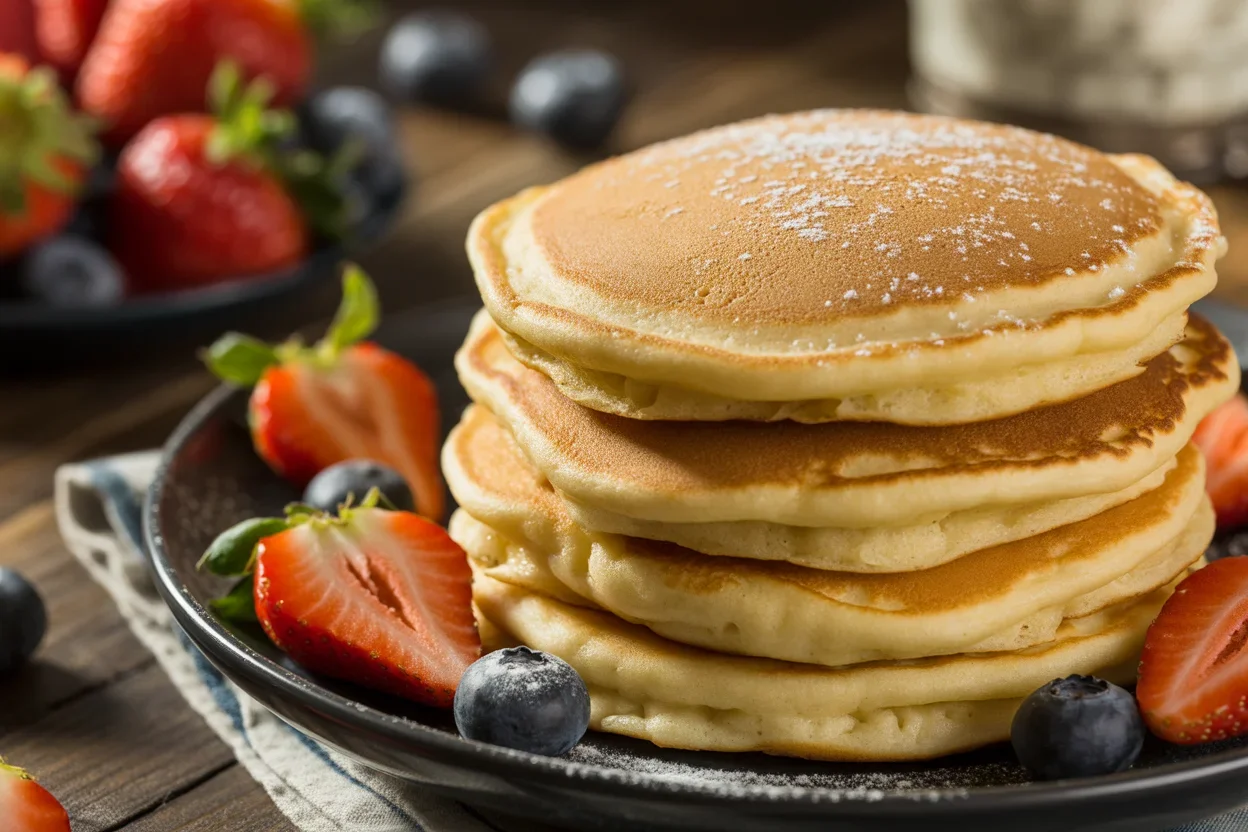
Tips for Making Cottage Cheese Pancakes
Choose your texture: blended or chunky
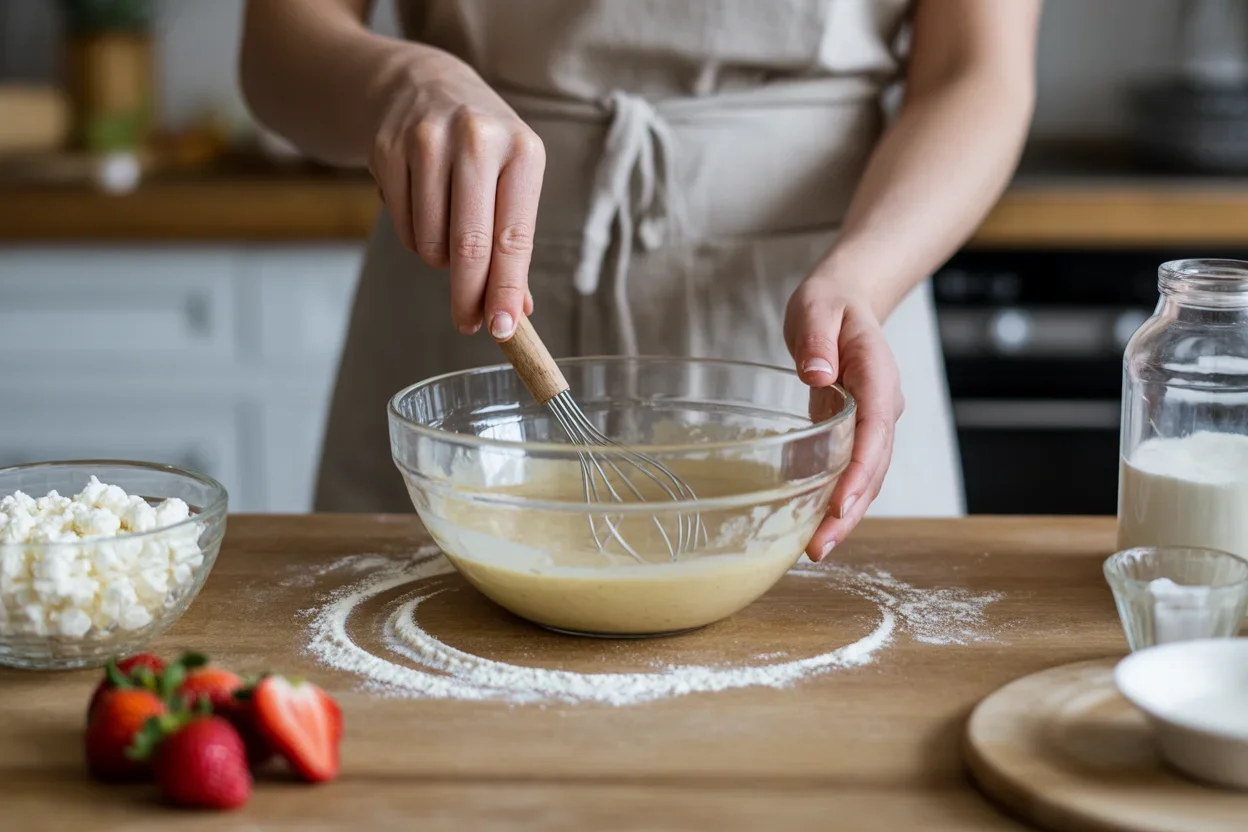
Let’s start with the cottage cheese. If you like a smoother pancake, blend the batter for 10 to 15 seconds until the curds mostly disappear. If you enjoy a little texture, just stir by hand. I switch it up depending on my mood, but either way works. Use full-fat or 2 percent cottage cheese for the best flavor and browning. Fat equals golden edges and a tender bite.
I keep the batter simple: cottage cheese, eggs, a small scoop of flour, a pinch of baking powder, a whisper of salt, and a little vanilla. If you want a touch of sweetness, add a spoon of sugar or honey. That is it. No fuss. No specialty ingredients.
Heat, fat, and patience
Set your skillet over medium heat, then dial it down just a bit. These pancakes love steady heat. I use a thin swipe of butter for flavor, then add a few drops of neutral oil so the butter does not burn so fast. When the pan feels hot and a small test dab of batter sizzles gently, you are ready.
Scoop about two tablespoons of batter per pancake. They thicken as they cook, and keeping them small gives you an easy flip and even cooking. Spread the batter slightly with the back of your spoon so each cake is about three inches wide. When the edges look set and you see a few bubbles on top, flip and cook another minute or two. You are looking for deep golden spots and a bouncy center.
Want cloud-like pancakes on a special morning? Try the style that inspired me to play with fluffier batters: fluffy Japanese souffle pancakes. I do not make them every day, but learning that technique taught me a lot about gentle heat and patience.
My last tip is a small one but it makes a big difference: rest the batter for 5 minutes after mixing. The flour hydrates, the baking powder wakes up, and you get a more even texture. Then give the batter one gentle stir before scooping so it is uniform from top to bottom.
“I was not sure about cottage cheese in pancakes, but these came out golden and soft, and my kids asked for seconds. We topped them with strawberries and a little maple syrup. So good.”
Quick recap: medium-low heat, small pancakes, and do not overmix. Keep that trio in mind and you will get consistent results. If you prefer super lofty pancakes now and then, check out this helpful approach for height and lift using a different style of batter, the fluffy Japanese souffle pancakes method, and borrow the gentle heat trick for these too.
How to Serve Cottage Cheese Pancakes
There are a lot of ways to serve these, and they slide easily from weekday to weekend. My usual plate includes a few warm pancakes with butter and fruit, then something crunchy for contrast. If guests are over, I set out a mini toppings bar so everyone can play. Here are ideas to try:
- Classic: warm pancakes with butter and maple syrup, plus blueberries or sliced bananas
- Bright: a squeeze of lemon and a dusting of powdered sugar
- Nutty: almond butter or peanut butter with a drizzle of honey and chopped nuts
- Yogurt bowl style: a spoon of Greek yogurt, berries, and a sprinkle of granola
- Savory spin: a dollop of sour cream, chives, and smoked salmon
If you like taller, lighter stacks once in a while, you may appreciate techniques used for ultra fluffy pancakes. You can still keep these simple, but applying that gentle heat mindset gives you a delicate crumb that pairs especially well with fresh fruit.
Storage Tips
I always make extra because these reheat beautifully. Let the pancakes cool on a rack so steam does not make them soggy. Slide leftovers into an airtight container and refrigerate for up to three days. To freeze, put them in a single layer on a sheet pan for 30 minutes, then stack with small squares of parchment between each pancake. Move them to a freezer bag, squeeze out the air, and freeze for up to two months.
Reheating without drying out
For the fridge batch, I like to reheat in a skillet over low heat with a tiny pat of butter. It takes about two minutes per side and keeps the centers soft. A toaster works well too. For frozen pancakes, reheat in the toaster or air fryer at 320 F for 3 to 5 minutes. If you use a microwave, cover them with a damp paper towel and heat in 15 second bursts to protect the texture.
One more note: cottage cheese pancakes hold moisture nicely, so they stay tender even after chilling. That is one reason I reach for them on busy weeks. Having a container ready means a fast breakfast that still tastes fresh.
Topping & Mix-in Ideas
If you want to mix in goodies before cooking, or top your stack after, here are combinations that never fail me. Keep it simple and have fun. A little crunch, something creamy, and a sweet or savory pop is my winning formula.
- Mix-ins: mini chocolate chips, lemon zest, blueberries, diced strawberries, cinnamon, or a handful of chopped pecans
- Fresh toppings: sliced peaches, blackberries, mango, or a small spoon of warm berry compote
- Sweet extras: maple syrup, honey, date syrup, or a light sprinkle of brown sugar
- Creamy finish: whipped cream, Greek yogurt, or mascarpone
- Savory route: herbed ricotta, crispy prosciutto, or a soft-fried egg with a pinch of chili flakes
If you are curious about lofty, dessert-like stacks for a special brunch, exploring the souffle pancake technique can inspire presentation ideas that also look gorgeous on the table.
Substitutions & Notes
Flour choices: all-purpose flour gives the most familiar texture. For gluten-free, use a 1 to 1 baking blend. Oat flour works too, but the pancakes will be a bit softer. If using almond flour, mix it with a little oat or gluten-free blend for better structure.
Egg options: two eggs are my standard for about one cup of cottage cheese. If you need an egg-free variation, two flax eggs can work, but the pancakes will be more tender and a little less fluffy. Cook them smaller and be patient on the flip.
Sweeteners: these are naturally tasty and do not need much sugar. I often use a teaspoon of sugar in the batter or none at all, then sweeten at the table. For a no-sugar option, vanilla and a bit of lemon zest bring lovely flavor.
Dairy tweaks: use lactose-free cottage cheese if needed. Low-fat cottage cheese will work, but you may want a touch more butter in the pan to help browning and richness.
Texture notes: if your batter seems very thick, splash in a tablespoon of milk. If it seems loose, let it rest a couple of minutes so the flour can absorb liquid. Stir gently just before scooping so your pancakes rise evenly.
And if you love experimenting with height and airy interiors in pancake recipes, you might enjoy reading about Japanese-style souffle pancakes. That style taught me the benefits of low heat, patience, and minimal stirring, which also make these turn out beautifully.
By the way, cottage cheese pancakes reheat like a dream, so making a double batch for the week is a smart move. The protein keeps you full, and the flavor plays well with both sweet and savory toppings.
Common Questions
Do I need to blend the batter?
No. Blending gives a smoother texture, but stirring by hand works. If the curds are large, mash them a little with your spoon and you are good.
What does cottage cheese do in pancakes?
It adds moisture, protein, and a gentle tang. The result is tender pancakes with a nice golden finish that feel satisfying without being heavy.
Can I make the batter ahead?
Yes, mix it and refrigerate for up to 24 hours. Stir gently before cooking and add a splash of milk if it thickens too much.
How do I keep pancakes warm for a crowd?
Place them on a baking sheet in a 200 F oven for up to 30 minutes. Do not cover tightly or they might steam and soften too much.
What size should I make them?
Small is best. Two tablespoons of batter per pancake cooks evenly and flips easily. It also keeps the centers perfectly set.
Ready to Flip a Batch Tonight?
That is my whole playbook for making cottage cheese pancakes that taste great, cook fast, and reheat like champions. Keep the heat moderate, scoop small, and let the batter rest for just a minute. If you want more inspiration or a different take, I like these friendly guides too: the easy step by step approach in Cottage Cheese Pancakes (Quick & Easy) – Momsdish and the super simple method in Cottage Cheese Pancakes Recipe (Only 3 Ingredients!) | The Kitchn. Now grab a skillet, put on some music, and enjoy a plate that is warm, golden, and totally satisfying.
Print
Cottage Cheese Pancakes
- Total Time: 25 minutes
- Yield: 4 servings
- Diet: Vegetarian
Description
Cozy, quick, and nourishing pancakes made with cottage cheese, perfect for busy mornings.
Ingredients
- 1 cup cottage cheese
- 2 large eggs
- 1/4 cup all-purpose flour (or gluten-free blend)
- 1 tsp baking powder
- 1/4 tsp salt
- 1 tsp vanilla extract
- Butter and oil for cooking
- Optional: sugar or honey for sweetness
Instructions
- In a bowl, mix cottage cheese, eggs, flour, baking powder, salt, and vanilla until combined.
- Let the batter rest for 5 minutes.
- Heat a skillet over medium-low heat and add a small amount of butter and oil.
- Scoop about 2 tablespoons of batter per pancake onto the skillet.
- Cook until the edges are set and bubbles form on top, about 2 minutes.
- Flip the pancakes and cook for another 1-2 minutes until golden brown.
- Serve warm with your favorite toppings.
Notes
Resting the batter improves texture. For fluffier pancakes, use a gentle heat and keep pancakes small for even cooking.
- Prep Time: 10 minutes
- Cook Time: 15 minutes
- Category: Breakfast
- Method: Griddling
- Cuisine: American